7 Road Trip Mistakes That Cost You Time and Money
Charles and I have spent nights in Australian gas station parking lots because we arrived after closing time without enough fuel to reach the next town. Apparently, we liked the experience enough to repeat it.
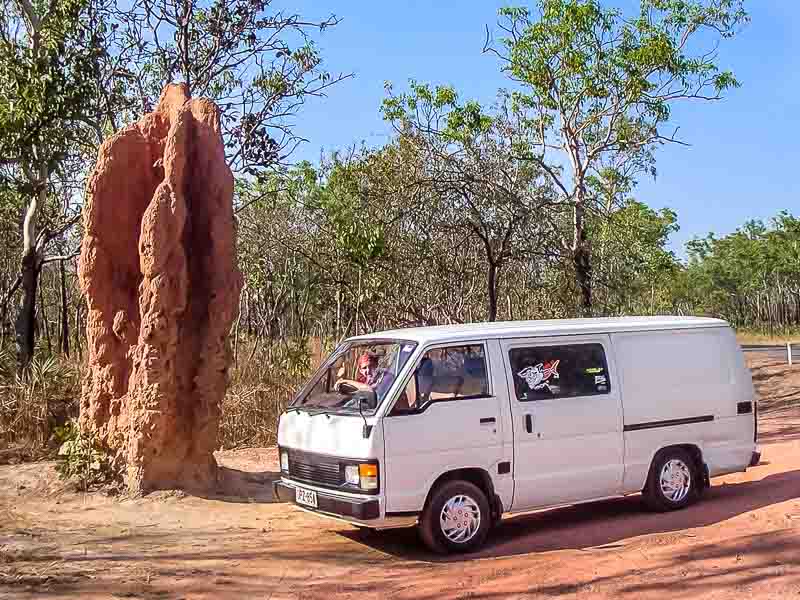
That’s one of the less photogenic details from our six months driving around Australia in a campervan, a trip that eventually clocked up more than 25,000 kilometers. Back in Canada, we’ve spent plenty of summers driving from our base in Kelowna BC to visit friends and family in Alberta (700km), often times continuing all the way to Winnipeg, Manitoba (a 2000km journey both ways).
I still love loading up the car for a road trip. I’d just prefer to spend our travel budget on something more enjoyable than fixing an avoidable problem, and our holiday hours somewhere other than a closed gas station.
A bit of preparation helps. These are seven road trip mistakes worth catching before you leave.

1. Planning More Driving Than You’ll Actually Enjoy
A five hour drive looks manageable when you’re sitting at home with a map. Add lunch and a couple of stops to stretch your legs, and it starts taking up a much bigger chunk of the day.
Then you spot a lake you’d like to swim in, but you’ve still got hours to drive before you stop for the night. That’s an annoying position to put yourself in on holiday.
On our camping trip to Sicamous, we deliberately chose somewhere within a few hours of home because we didn’t want to spend the weekend in the car. We still had time for hot springs and ice cream at D Dutchmen Dairy, along with hanging around the campground with the kids.
When planning your route, work out how much driving you’re comfortable doing after allowing for breaks. Leave some breathing room before your accommodation’s check-in deadline, too.
A shorter route can also leave more money for the things you came to do. Every extra detour uses fuel, and an ambitious itinerary can mean paying for attractions you barely have time to enjoy.

2. Skipping the Pre-Trip Vehicle Check
Our first Australian campervan was a bargain, right up until we realised it wouldn’t pass a safety inspection. We sold it to someone who could fix it and bought another van.
That was an early lesson in checking what you’re setting off in.
Before a longer trip, give yourself enough time to deal with maintenance at home. Check the appropriate fluid levels and make sure the lights work. If there’s a warning light you’ve been meaning to investigate, get it looked at before departure.
Tires deserve a proper check, including the spare if your vehicle has one. Look for damage or uneven wear, and check the pressure when the tires are cold, using your vehicle manufacturer’s recommended pressure.
If you’re towing a camper, include the trailer tires in that check. Follow the trailer manufacturer’s guidance on inflation and load limits, and remember the trailer’s spare if it has one.
It’s also worth knowing where your tire changing equipment is before the car’s packed. Having a spare buried beneath a week’s camping gear is one thing. Discovering you don’t have the equipment to use it is another.
If something looks questionable, have a mechanic or tire professional check it. Finding out a few days before departure gives you more options than discovering it halfway to your campsite.

3. Assuming You’ll Find a Campsite When You Get There
I like having room to change plans on a road trip. That gets harder when you’ve arrived at your destination and still need to find somewhere to sleep.
A full campground can mean another hour of driving, or a hotel bill you hadn’t budgeted for. If you’re towing, you also need an available site that actually fits your setup.
For popular destinations and holiday weekends, book the nights you’d be disappointed to miss. Check the site’s size and whether it has the services you need. Read the arrival instructions, especially if you might get there after the office closes.
You can leave other parts of the trip flexible. Having your first night sorted is particularly helpful, since packing and getting out the door can take longer than expected.
Check cancellation terms before paying, too. If your route is still tentative, a booking you can change may be worth a little more.

4. Waiting Too Long to Fill the Tank
Those remote Australian petrol station sleepovers had a fairly simple cause: we’d counted on being able to buy fuel when we got there.
Some of the smaller stations we encountered closed as early as 4 p.m. We’d arrive with too little fuel to carry on and ended up waiting until morning.
Before a remote stretch, check where you can refuel and when those stations are open. A petrol station appearing on a map doesn’t tell you whether you’ll be able to use the pumps at the time you arrive.
Build in a margin, especially when you’re driving an unfamiliar rental vehicle. You don’t want your fuel plan to depend on everything going exactly as expected.
Comparing prices can help with the budget, but factor in the distance you’d drive to get the cheaper fuel. A lengthy detour for a small saving can use up both the savings and part of your afternoon. If you’re in North America, a site or app like GasBuddy can help you get prices and find out which stations are on your route.
5. Leaving Every Meal to Chance
Buying lunch on the road can be part of the fun. Buying whatever’s available because everyone’s hungry and you’ve got nothing in the car is usually less satisfying.
We pack a soft-sided cooler because it’s easier to fit around our other gear, and it folds down when it’s empty. Sealed ice packs help keep things cold without leaving everything sitting in meltwater.
Prepared fruit and vegetables are regulars on our summer road trip packing list. Something simple for lunch can save a separate restaurant stop, especially on a day when you’d rather eat at a picnic table and get moving again.
Bananas, however, have lost their place in our car. After travelling with the smell of overripe banana peel in a warm, enclosed space, we’ve become much more enthusiastic about apples.
Keep some snacks where passengers can reach them, and pack water for everyone. The food won’t help much if getting to it means unpacking half the boot.
You can still stop for a meal you’re excited about. Having food along just gives you more choice about where and when.
6. Depending on a Phone Signal for Everything
We use Google Maps on road trips. Downloading the areas you’ll need before leaving reliable Wi-Fi means you can keep using the maps when mobile coverage disappears, provided you’ve saved the whole route.
Save your accommodation address and arrival instructions somewhere you can open without an internet connection, too. This matters when the information you need is buried in a 3 month old prebooking email that won’t load.
Our complete road trip packing list also includes a paper map. It won’t run out of battery, and it’s handy for seeing the wider area when you’re deciding whether a detour makes sense.
Bring a charging cable that works with the car, and check that your maps have downloaded successfully before setting off.
A few minutes spent doing this at home can save you driving around looking for a signal when you’d rather be finding your accommodation.
7. Budgeting for Gas and Accommodation, Then Forgetting the Extras
Fuel and somewhere to sleep are easy to put in a road trip budget. Parking charges and tolls tend to get less attention until you’re paying them.
Look at the costs attached to the places you actually plan to visit. Check admission prices before promising everyone an afternoon at an attraction, and find out whether parking costs extra.
If you’re renting a campervan, read what’s included in the rate. Bedding or camping equipment may come with it, or you may need to bring or pay for those separately. Our guide to planning your first campervan trip covers the questions to ask before booking.
Check mileage allowances and any one-way rental charge as well. A low daily rate doesn’t tell you the full cost of your particular route.
Leave some money unallocated. You might find an activity you’d love to try, or decide that an extra night somewhere is worth changing the plan. It’s much easier to make that decision when every dollar hasn’t already been spoken for.
Budget more time for stopovers, ice cream and anything unusual you find along the way that helps make long road trip memorable in a good way. Also, don’t forget audiobooks are a great way to pass the boring moments and can also help create dialog during stops if you have kids with you.
Most importantly, be safe and enjoy your drive. With road trips in particular, it’s oftentimes more about the journey than the final destination so treat it the same as you would for any other large trip and you’ll do fine.
What’s a road trip mistake that’s cost you money or landed you somewhere unexpected for the night? I’d love to hear your story in the comments. We can hardly judge, given our frequent petrol station accommodation history.