A Getaway Worth Every Dollar: How to Plan a Trip You’ll Actually Enjoy
Planning a vacation sounds like fun until you’re 37 browser tabs deep, comparing hotel rooms, trying to figure out flight prices, and wondering how a supposedly affordable getaway suddenly got so expensive.
And if you’re planning how to plan a trip for a family, you’ve got everyone’s expectations to manage, too.

Charles and I have been travelling together for over 20 years, and we’ve made just about every travel planning mistake you can imagine. We’ve booked places that looked fantastic online and turned out to be disappointing. We’ve tried to squeeze too much into a short trip, underestimated costs, and spent far more time researching a vacation than we ever expected.
Sometimes, the amount of work involved in how to plan a trip can make you wonder if you need a vacation from planning your vacation.
And it doesn’t even have to be a big international adventure.
We’ve even planned local getaways here in British Columbia’s beautiful Okanagan Valley that took a surprising amount of research. You’d think finding a hotel close to home would be easy, but once you start comparing prices, amenities, locations, and guest reviews, even a simple weekend away can turn into hours of decision-making.
After years of travelling with our kids, taking extended international trips, and exploring closer to home, we’ve learned a few things about getting good value from a vacation.
Here are some of the things we consider before spending our hard-earned travel dollars.
How to Plan a Trip: Start With the Experience You Want
One of the biggest mistakes we’ve made over the years is getting excited about a great price before thinking about the actual trip.
A cheap flight to an interesting destination can be tempting. So can a hotel advertising an enormous discount. But a bargain loses some of its appeal when you discover that your hotel is miles from everything you want to see, or your flight arrives at midnight and you lose most of your first day.

These days, we try to start by thinking about what we want from a vacation.
Are we looking for a relaxing beach getaway? Do we want to explore a new city, try local restaurants, or spend our days hiking and exploring? And when we’re travelling as a family, what does everyone else want?
We’ve learned that getting everyone’s input early makes a big difference. When our kids were younger, having a swimming pool at the hotel could be more important to them than almost anything else. We might have been excited about historical sites or museums, but they were often happiest splashing around in a pool after a long day of sightseeing.
Of course that doesn’t mean everyone gets exactly what they want, however it does help us narrow down our priorities.
When you’re comparing vacation packages, it’s worth looking at what you’re actually getting for the price.

A package that includes accommodation, activities, and other extras can offer excellent value, especially if those are things you’d be paying for anyway.
But if you’re spending most of your days exploring away from the resort, paying extra for amenities you won’t use probably isn’t the best deal.
We try to figure out what matters most to us before we get distracted by all those special offers.
Compare the Full Cost, Not Just the Advertised Price
We’ve all seen those incredible travel deals that seem almost too good to be true.
A hotel room for $99 a night? Fantastic!
Until you get to checkout and discover the extra taxes, parking charges plus hidden cleaning and resort fees.
Flights can be just as frustrating. That incredibly cheap airfare might suddenly look less appealing when you add checked baggage, seat selection, and all the other little charges that seem to appear along the way.
We’ve learned to compare the total cost of a trip before making a decision.
For accommodation, that means checking whether breakfast is included, if parking costs extra, and whether there are additional resort fees.
If we’re flying, we look at baggage allowances and flight times. A cheaper flight with an overnight layover might actually cost more once you add a hotel room and meals and those ultra economy seats might end up costing more than a normal fare when you factor in the extra charge for the luggage you’ll need.

The same goes for transportation at our destination. A hotel that’s $30 cheaper per night might seem like a great deal until you realize you’ll spend an extra $50 every day getting to the places you want to visit.
We’ve also found that paying a little more upfront can sometimes save money during the trip. For example, a hotel with a kitchenette might cost more per night, but being able to prepare breakfast and a few simple meals can save a surprising amount over the course of a week.
Before booking flights, it’s worth reviewing baggage policies and ticket restrictions. The U.S. Department of Transportation has a helpful guide to buying an airline ticket that explains some of the additional costs and conditions to watch for.
The cheapest advertised price doesn’t always mean the cheapest vacation.
Timing Can Make a Huge Difference
When our kids were younger, we had considerably more flexibility with our travel dates. Once school schedules became a bigger consideration, things got more complicated. Unfortunately, school holidays are also when everyone else wants to travel, which usually means higher prices and much busier destinations.
If you have some flexibility, travelling during the shoulder season can make a huge difference.
We’ve often found that visiting a destination shortly before or after its busiest season can mean better accommodation prices and fewer crowds while everything is still usually open and lineups are thankfully much shorter.
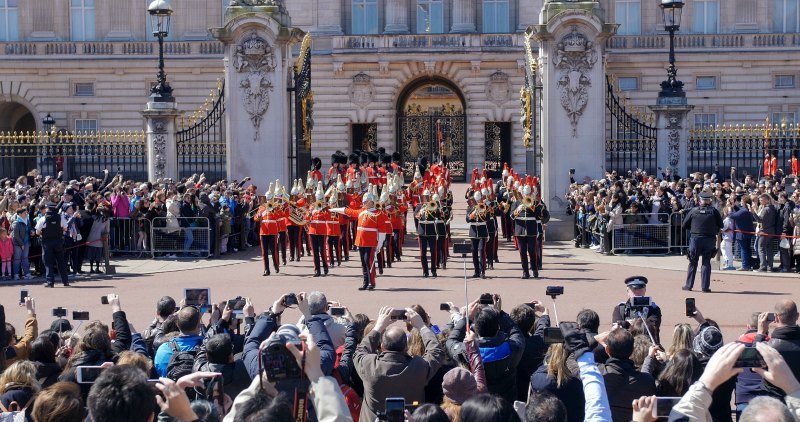
And honestly, fewer crowds can make a vacation much more enjoyable.
There’s something wonderful about being able to wander around a city or enjoy a beautiful beach without feeling like you’re competing with hundreds of other visitors for space.
Of course, shoulder season comes with a few considerations. Some attractions might have shorter opening hours, seasonal restaurants may be closed, and the weather might be less predictable.
We always check what will actually be open before booking. Booking early can also help, particularly when we’re travelling during busy periods or need specific accommodation. On the other hand, if we’re flexible about dates and destinations, we sometimes watch prices for a while before committing.
The trick is knowing when you’ve found a good enough deal and actually booking it.
Otherwise, you can spend weeks checking prices and never get around to planning the vacation.
Don’t Underestimate the Value of Convenience
This is something we’ve learned the hard way.
When you’re looking at hotels online, a property that’s a little farther from the city center might seem like a fantastic deal. And sometimes it is.
But there’s a big difference between saving money on a hotel and spending half your vacation getting back and forth from that hotel.
We’ve stayed in places where we could walk out the front door and immediately start exploring. We’ve also stayed in locations where getting anywhere required planning transportation.
Both can work, depending on the trip.
If we’re planning to rent a car and explore the surrounding area, staying outside the city centre might be perfect.
But if we’re visiting a city for a few days and want to explore on foot, we’d generally rather pay a little more for a convenient location.
Convenience matters even more when you’re travelling with kids.
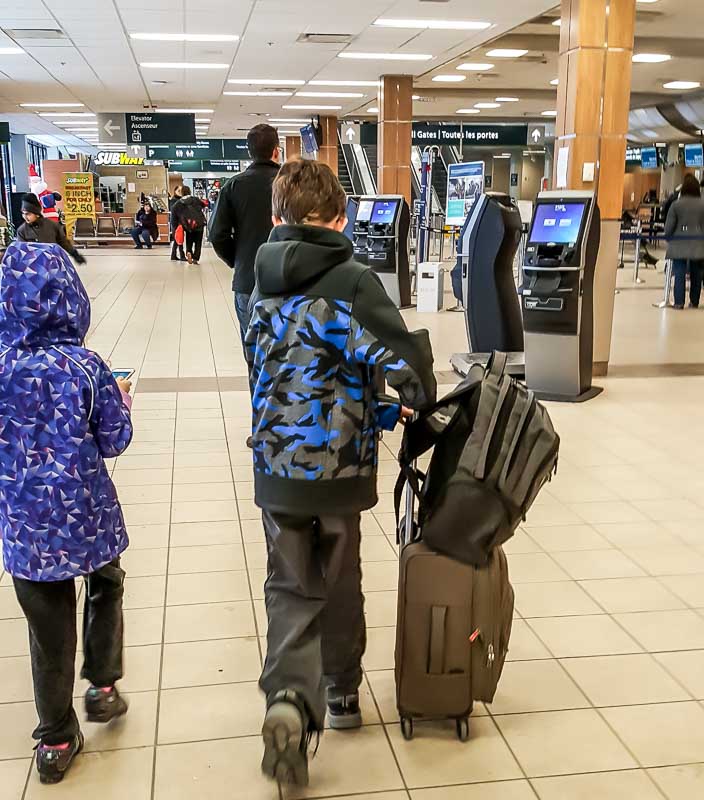
A long airport transfer might seem manageable when you’re planning from home. However, after a long flight, with tired children and luggage to manage, that extra hour or two can feel endless.
The same goes for packing too many activities into a single day.
We’ve learned that leaving some breathing room in our itinerary makes travel a lot more enjoyable.
You can read more about how we approach this in our guide on how to make a travel itinerary.
We like having a plan, but we also want enough flexibility to stop at an interesting café, spend longer somewhere we find interesting, or take an afternoon off when everyone’s tired.
A vacation should have room for enjoying yourself.
Make Sure That Great Travel Deal Is Legitimate
As much as we love finding a bargain, we’re also cautious about deals that seem suspiciously cheap.
Travel scams are unfortunately common, and it’s easy to get caught up in the excitement of finding an incredible offer.
Before booking through an unfamiliar website or travel company, we do some research.
We look for independent reviews, check the company’s contact information, and read the booking conditions carefully.
Cancellation policies are especially important.
A hotel might advertise an attractive rate, but if it’s completely nonrefundable, you’re taking on more risk than you would with a flexible reservation.
We also check exactly what’s included in the price.
If a vacation package promises free activities or special perks, make sure those benefits are available during your travel dates.
And be particularly careful if someone pressures you to pay immediately or asks you to send money through an unusual payment method.
The Federal Trade Commission has a useful guide to avoiding travel scams, including common warning signs to watch for before handing over your money.
A few minutes of research can save you an expensive headache later.

Choose a Booking Style That Works for You
Charles and I have thought about how to plan a trip for just about every type of vacation over the years.
We’ve travelled independently for months at a time, booked family vacations, and organized shorter getaways closer to home.
One thing we’ve learned is that there’s no single right way to book a trip.
Sometimes, we love having the freedom to book everything separately.
We can choose exactly where we stay, decide how long to spend in each destination, and change our plans as we go.
That kind of flexibility is especially valuable on longer trips.
But there are times when having everything arranged in advance sounds pretty wonderful, too.
For a short vacation, spending hours researching separate accommodations, transportation options, and activities might take more effort than we’re willing to invest.
That’s where vacation packages can be appealing.
Having your accommodation and some activities arranged in a single booking can make planning easier, particularly when you’re coordinating a family trip.
There’s also something to be said for knowing most of your expenses before you leave home.
We still like to look at the individual components of a package to see whether we’re getting good value.
If we can book everything separately for considerably less money, we’ll usually consider doing that.
But we also factor in the time and effort involved.
After all, our time has value, too.

Budget for the Vacation You’ll Actually Have
It’s surprisingly easy to underestimate how much money you’ll spend once you arrive at your destination.
You might have your flights and hotel completely paid for, but there’s still food, transportation, activities, and all those little extras that add up along the way.
And travelling with kids can make those unexpected expenses multiply.
An ice cream here, an attraction ticket there, and suddenly you’ve spent considerably more than you planned.
We’ve found it helps to separate our travel budget into two parts.
The first covers the big expenses we can book in advance, like accommodation and transportation.
The second covers what we’ll spend during the trip itself.
We try to be realistic about both.
If we’re visiting a destination known for expensive restaurants, we budget accordingly. If we know we’ll want to visit several paid attractions, we check ticket prices before we leave.
We also leave some room for spontaneous experiences.
Some of our favourite travel memories have come from activities we hadn’t originally planned.
And there are always unexpected costs.
Maybe the weather changes and you decide to visit a museum instead of spending the day outdoors. Or perhaps you find a fantastic restaurant that costs a little more than you’d normally spend.
Having a little extra money set aside means you can enjoy those opportunities without worrying about every dollar.
Our 13 expert tips for family travel on a budget cover more of the ways we’ve made our travel money stretch over the years.

Choose a Trip You’ll Remember for the Right Reasons
After more than two decades of travelling, we’ve learned that some of our favourite trips haven’t been the most expensive ones.
We’ve had wonderful experiences staying in simple accommodations, exploring local neighbourhoods, and spending afternoons doing things that cost almost nothing.
We’ve also spent money on experiences that were worth every penny.
For us, getting good value from a vacation means figuring out which parts of the experience matter most and being willing to spend a little more on those things.
Sometimes that’s a hotel in a fantastic location. Other times, it’s an activity we’ve dreamed about doing for years.
And sometimes, it’s simply finding a comfortable place to stay where everyone can relax and enjoy being together.
We’re still learning, and I’m sure we’ll make a few more travel planning mistakes along the way.
But after all these years, one thing hasn’t changed. We want to come home feeling like the time and money we spent travelling were worth it.
And if we can manage that without spending three weeks comparing hotel rooms, even better.